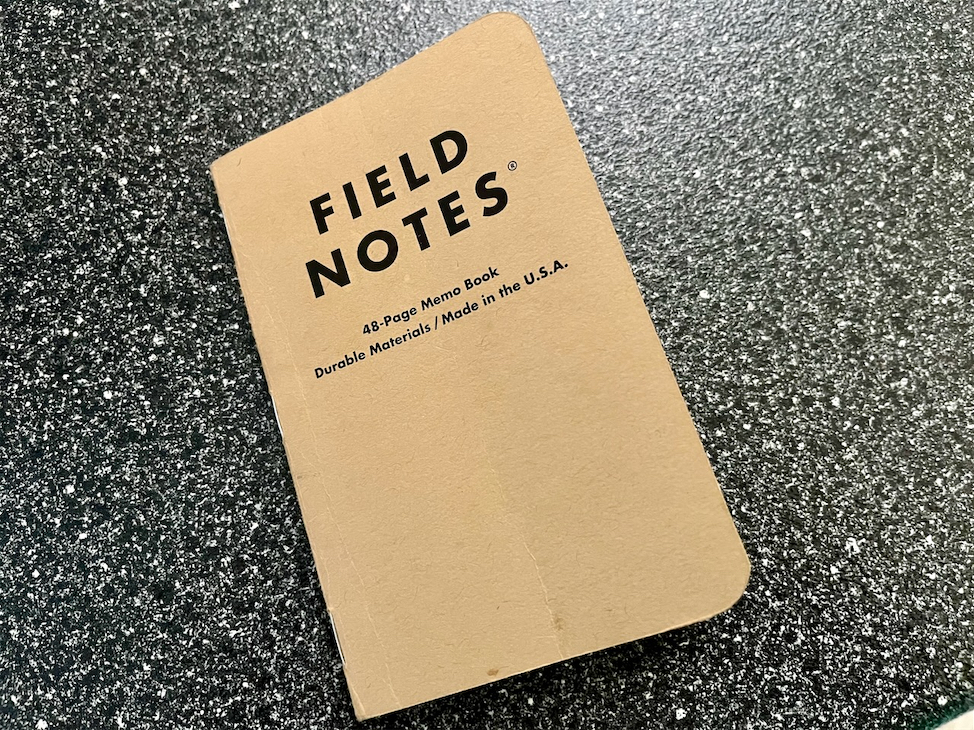
I have been recording my comings and goings for COVID-19 tracing purposes for two years, but continuing to do so seems pretty pointless now that mask and physical distancing restrictions have been mostly eliminated. With so many cases and wide community spread, it would be difficult for most people to figure out where they got COVID-19.
Unlike the beginning of the pandemic, where everything stopped so public health office press conferences could be watched, no one but the most vigilant are still keeping track of case numbers and infection rates. It feels like the pandemic is over, as the media revert to covering other disasters. People are still getting sick from COVID-19, though, and the health care system is still groaning under the pressure.
When I visited the Summerside public library last week, the librarians were pulling large yellow physical distancing stickers from the floor, not with jubilant whoops and hollers, but by rather solemn, determined effort, pulling and scraping. I remarked that it was an historical moment, and they agreed. We were all still wearing masks.
When will I stop wearing a mask? I suppose when case numbers are closer to zero than they are now, but I have no idea. Everyone in my household has been vaccinated and boosted, but we still wear masks when we go out, and keep our contacts small, all because of my mother’s advanced age.
Masks took on a symbolic role beyond their practical use during the pandemic, and their meaning seemed to morph. Before they became mandatory, they were viewed as a way to not only protect yourself but also showed that you cared enough to protect others and keep the health care system from collapsing. When they became mandatory, they became symbols of oppression and an erosion of freedoms by overreaching governments.
Now that wearing masks is a matter of choice in most public places, it will be interesting to see how people view them. I know a woman in her 50s who has lived with complex allergies and a compromised immune system for decades, and she says she has never felt safer out in public in her entire life now that wearing a mask has been normalized.
Perhaps the mask will become a symbol of acceptance, that we need to think of the needs of others, even (and perhaps especially) if they are hidden. Someone wearing a mask who looks hearty and hale might in fact be vulnerable, and they need to be treated with tenderness. I hope the tolerance and acceptance I see now of choosing to be masked or unmasked will spill over into other aspects of society, in accepting and embracing people of other racial, gender or religious identities.
Maybe the mask, most often used to hide and protect, will become a way in which we better see each other and our needs, a reminder to not rush to judgement.
So, my COVID-19 tracing logging, which admittedly got a little lax in the past couple of months, is over, and the notebook will be repurposed to remind me of the things I need to do rather than the places I’ve been and the people I’ve seen.